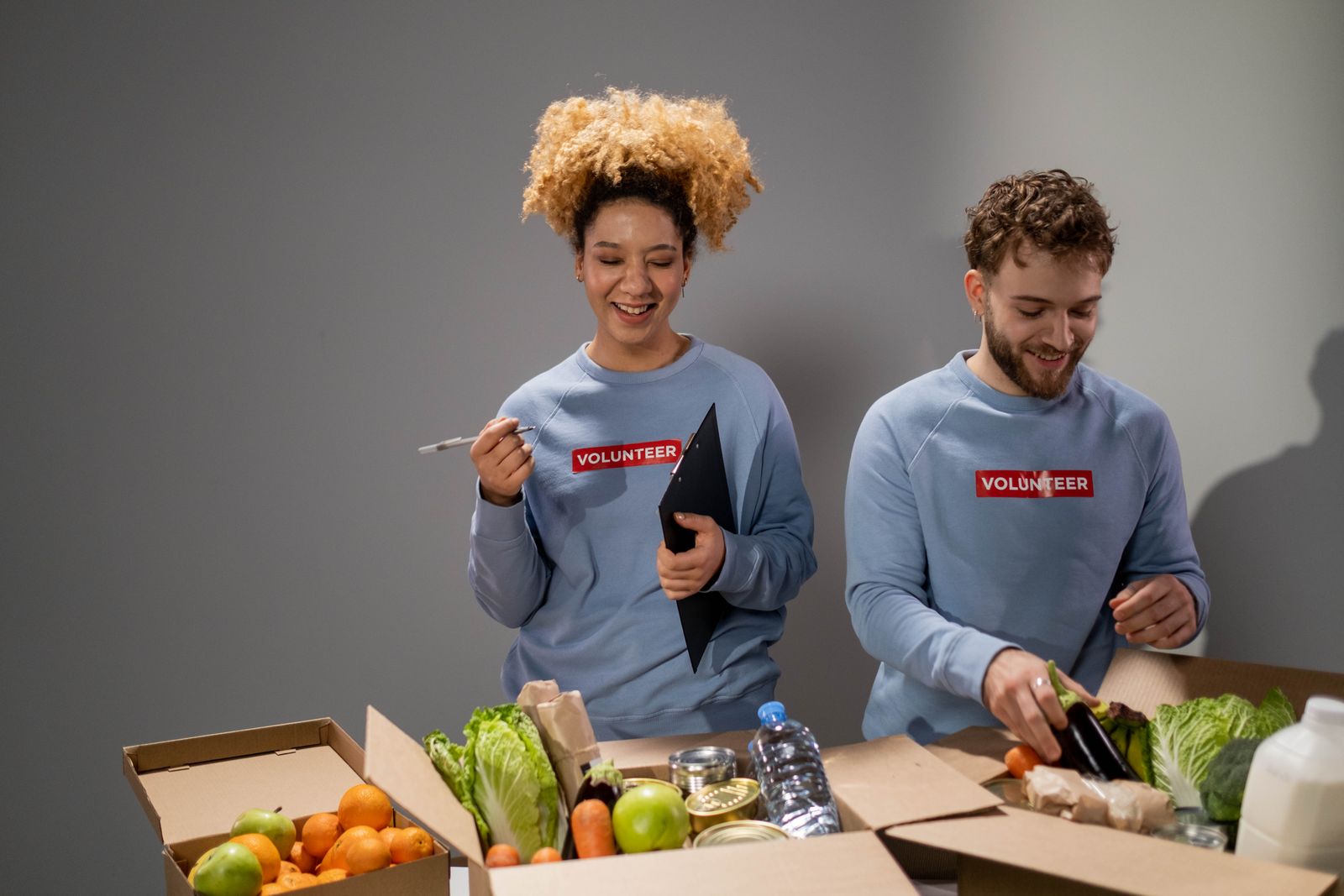
School supplies look small when considered one pencil, folder, or notebook at a time. Across an entire school community, however, purchasing, storing, losing, discarding, collecting, and redistributing those items becomes a significant operational and environmental challenge. This guide is written for volunteer coordinators, chapter teams, schools, libraries, and nonprofit partners. Its purpose is to help readers convert mixed donations into accurate, safe, recipient-ready groups without creating unnecessary administrative work.
The most effective approach is not simply to collect as much as possible. A responsible program considers usefulness, safety, recipient demand, privacy, volunteer capacity, transportation, storage, and the end of life of materials that cannot be reused. That wider perspective turns generosity into a dependable system and prevents donation activity from shifting waste from one organization to another.
Why sorting and inventory deserves a system
Good intentions are essential, but they do not replace process. Supplies arrive in different conditions, at unpredictable times, and in quantities that may not match demand. Schools also operate under calendars, building rules, student privacy expectations, supervision requirements, and limited staff time. A simple documented system makes participation easier because people know what to bring, where it goes, who checks it, and what happens next.
A system also improves environmental results. Reuse is valuable only when an item continues to perform a useful function. Recycling is valuable only when the material is accepted by a real local processor and is not contaminated. Disposal is sometimes necessary for unsafe or unusable items. Treating these outcomes honestly provides better education than reporting one impressive collection number without explaining how much material was ultimately useful.
1. Control intake
Record the source and date, inspect boxes for moisture or hazards, and keep new material separate from completed inventory. A defined intake point prevents unsorted donations from spreading through storage areas. Begin with a small written decision: identify the responsible person, the deadline, the materials or information needed, and the evidence that will show the step is complete. This keeps the work visible and makes it easier for another volunteer to help.
In practice, this step works best when instructions are short enough to use during a busy school day. Test the instruction with someone who did not write it. If that person cannot make the correct decision quickly, simplify the wording, add a photograph or example, and remove categories that are difficult to distinguish. Consistency is more useful than an elaborate system that only its designer understands.
2. Prepare the workspace
Use sturdy tables, good lighting, labeled bins, cleaning materials, recycling containers, and safe walking paths. Workspace design affects speed, volunteer comfort, and error rates. Begin with a small written decision: identify the responsible person, the deadline, the materials or information needed, and the evidence that will show the step is complete. This keeps the work visible and makes it easier for another volunteer to help.
In practice, this step works best when instructions are short enough to use during a busy school day. Test the instruction with someone who did not write it. If that person cannot make the correct decision quickly, simplify the wording, add a photograph or example, and remove categories that are difficult to distinguish. Consistency is more useful than an elaborate system that only its designer understands.
3. Train with examples
Show volunteers what qualifies as ready, repairable, recyclable, or discardable before opening boxes. Shared standards reduce inconsistent judgments. Begin with a small written decision: identify the responsible person, the deadline, the materials or information needed, and the evidence that will show the step is complete. This keeps the work visible and makes it easier for another volunteer to help.
In practice, this step works best when instructions are short enough to use during a busy school day. Test the instruction with someone who did not write it. If that person cannot make the correct decision quickly, simplify the wording, add a photograph or example, and remove categories that are difficult to distinguish. Consistency is more useful than an elaborate system that only its designer understands.
4. Sort by recipient logic
Use categories that match distribution, such as writing tools, paper, binders, art supplies, math tools, and classroom accessories. Inventory should support decisions, not merely describe every object. Begin with a small written decision: identify the responsible person, the deadline, the materials or information needed, and the evidence that will show the step is complete. This keeps the work visible and makes it easier for another volunteer to help.
In practice, this step works best when instructions are short enough to use during a busy school day. Test the instruction with someone who did not write it. If that person cannot make the correct decision quickly, simplify the wording, add a photograph or example, and remove categories that are difficult to distinguish. Consistency is more useful than an elaborate system that only its designer understands.
5. Test selectively
Check representative markers and pens, inspect binder rings, test calculators, and confirm that sets contain essential parts. Smart sampling balances quality control with volunteer time. Begin with a small written decision: identify the responsible person, the deadline, the materials or information needed, and the evidence that will show the step is complete. This keeps the work visible and makes it easier for another volunteer to help.
In practice, this step works best when instructions are short enough to use during a busy school day. Test the instruction with someone who did not write it. If that person cannot make the correct decision quickly, simplify the wording, add a photograph or example, and remove categories that are difficult to distinguish. Consistency is more useful than an elaborate system that only its designer understands.
6. Count at the right level
Count high-value or kit-critical items individually and estimate low-value bulk items using standard containers. False precision can consume hours without improving distribution. Begin with a small written decision: identify the responsible person, the deadline, the materials or information needed, and the evidence that will show the step is complete. This keeps the work visible and makes it easier for another volunteer to help.
In practice, this step works best when instructions are short enough to use during a busy school day. Test the instruction with someone who did not write it. If that person cannot make the correct decision quickly, simplify the wording, add a photograph or example, and remove categories that are difficult to distinguish. Consistency is more useful than an elaborate system that only its designer understands.
7. Pack and label consistently
Use category, quantity, condition, date, and any recipient restriction on each completed box. A box should be understandable without opening it. Begin with a small written decision: identify the responsible person, the deadline, the materials or information needed, and the evidence that will show the step is complete. This keeps the work visible and makes it easier for another volunteer to help.
In practice, this step works best when instructions are short enough to use during a busy school day. Test the instruction with someone who did not write it. If that person cannot make the correct decision quickly, simplify the wording, add a photograph or example, and remove categories that are difficult to distinguish. Consistency is more useful than an elaborate system that only its designer understands.
8. Audit before delivery
Have a second person review labels, spot-check quality, reconcile totals, and confirm the recipient appointment. A short final check protects the credibility of the entire program. Begin with a small written decision: identify the responsible person, the deadline, the materials or information needed, and the evidence that will show the step is complete. This keeps the work visible and makes it easier for another volunteer to help.
In practice, this step works best when instructions are short enough to use during a busy school day. Test the instruction with someone who did not write it. If that person cannot make the correct decision quickly, simplify the wording, add a photograph or example, and remove categories that are difficult to distinguish. Consistency is more useful than an elaborate system that only its designer understands.
Recommended operating practices
The following recommendations provide a practical baseline. Adapt them to school policy, local waste rules, recipient capacity, and the age of participating students.
- Use one-page volunteer instructions. Assign ownership and confirm how this recommendation will be applied before the activity begins.
- Keep food out of the sorting room. Assign ownership and confirm how this recommendation will be applied before the activity begins.
- Set maximum box weights. Assign ownership and confirm how this recommendation will be applied before the activity begins.
- Use standardized count sheets. Assign ownership and confirm how this recommendation will be applied before the activity begins.
- Stop accepting material when storage is full. Assign ownership and confirm how this recommendation will be applied before the activity begins.
Recommendations should be treated as controls, not decorative language in a plan. For example, if transportation must be confirmed, record the vehicle, driver, loading time, destination contact, and backup arrangement. If privacy matters, define who screens materials, where removed papers go, and how photographs are approved. Concrete details turn values into repeatable behavior.
Quality, safety, and dignity checks
Every item should pass three questions. Is it safe and clean enough for volunteers to handle? Is it functional and sufficiently complete for the intended educational use? Is it wanted by a recipient who has capacity to accept it? A “no” does not mean the original donor acted badly; it means the program needs a different path such as repair, another verified outlet, approved recycling, or responsible disposal.
Dignity is equally important. Recipients should not receive damaged objects that donors would be embarrassed to use themselves. Students should not be photographed or identified without appropriate permission. Families should not have to reveal unnecessary personal details to receive ordinary supplies. Volunteers should communicate impact without turning recipients into marketing material. These practices build trust and reflect the educational purpose of the work.
How to measure useful impact
Choose a small scorecard before the project begins. Useful measures for this topic include items processed per volunteer hour, ready-to-distribute percentage, repair and rejection rate, inventory accuracy, days from intake to delivery. Record definitions as well as numbers. If “reused” means an item passed inspection and was accepted by a recipient, state that clearly. If quantities are estimated by box or weight, document the method so future results can be compared fairly.
Numbers should support learning rather than competition. A lower collection total with a higher usable-item rate may represent a better program. A pilot that exposes a storage problem can be successful if the team changes its next plan. Combine quantities with short observations from volunteers and recipient partners; together they explain not only what happened but why.
Common mistakes and how to prevent them
The first common mistake is announcing a collection before confirming recipient demand and logistics. The second is using vague phrases such as “all school supplies welcome,” which produce confusing and unsafe donations. The third is counting everything collected as impact even when items remain in storage. The fourth is relying on one enthusiastic person who holds every contact and instruction. The fifth is failing to plan for rejected items.
Prevention is straightforward: confirm the downstream path, publish specific acceptance standards, assign roles, set capacity limits, inspect quality, and schedule the final handoff. Keep a decision log for unusual items so volunteers do not repeatedly debate the same question. After the activity, remove obsolete signs and update online information so late donations are not left at inactive sites.
A practical action plan
First week: identify the decision maker, recipient or user, scope, safety requirements, and available capacity. Second week: finalize instructions, locations, volunteer roles, tracking tools, and transportation. During activity: monitor quality and volume daily, communicate changes quickly, and stop intake if safe capacity is reached. After activity: complete sorting, deliver promptly, reconcile records, thank participants, and document improvements.
For a smaller project, the same sequence can happen in a few days. For a school-wide or community program, it may require several months. The principle remains the same: each phase should have a clear owner and completion condition. Avoid launching a second collection while the first collection is still unsorted or lacks a confirmed destination.
Educational opportunities
This work can support lessons in environmental science, statistics, writing, design, civics, and project management. Students can calculate usable-item rates, compare prevention with recycling, design clearer signs, interview stakeholders, map material flows, or write evidence-based recommendations. The strongest learning comes from real decisions, including the limits of storage, the reasons recipients decline certain items, and the tradeoffs between detailed counting and volunteer time.
Reflection should avoid simplistic claims that every donated object “saves the planet.” Instead, ask what purchase or disposal was plausibly avoided, how long the item may remain useful, what transportation and processing were required, and what could prevent the waste next year. This teaches systems thinking and helps participants move from a one-time service event toward better everyday habits.
Final checklist
- The purpose and scope are written in plain language.
- A recipient or end user has confirmed demand.
- Accepted condition standards are visible.
- Student privacy and supervision requirements are addressed.
- Sorting, storage, and transportation capacity are confirmed.
- Volunteers know their roles and escalation contact.
- Rejected items have a responsible pathway.
- Results will distinguish collected material from material actually reused.
- A review date and next owner are documented.
Conclusion
How to Sort and Inventory Donated School Supplies is ultimately about matching resources with real educational needs while respecting the people who give, volunteer, and receive. Start with a manageable scope, complete the full loop, and improve the process from evidence. A smaller reliable program creates more lasting value than a large collection that depends on confusion, indefinite storage, or heroic last-minute effort.
GreenBinz encourages schools and communities to treat usable supplies as resources rather than automatic waste. If you are planning an activity, use the ideas in this guide as a starting framework, then confirm the details with your school, local partners, and intended recipients.